
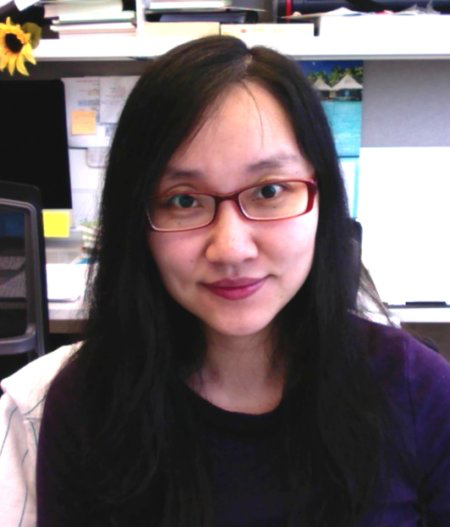
Biography
Dr. Pu received a B.S. degree in Bioengineering (2005) from Beijing Institute of Technology. She earned her Ph.D. degree (2011) from Institute of Biophysics, Chinese Academy of Sciences. Following her Ph.D. degree she completed a 5-year postdoctoral training in the NIH and 3-year Research Fellow working in the same laboratory.
Personal Statement
I am driven by curiosity and a passion for understanding how cells work. Since first observing living cells under a microscope as an undergraduate, I have been fascinated by the dynamic organization of cells and the molecular mechanisms that govern life. This curiosity continues to inspire my research today. I enjoy asking fundamental questions, challenging existing models, and uncovering the mechanisms that connect molecular events to cellular function and disease. I believe rigorous science combines curiosity with critical thinking, careful experimentation, and quantitative approaches, and I strive to instill these values in every project.
Mentoring is an integral part of my scientific mission. I view mentoring as a partnership that helps trainees develop not only technical expertise but also scientific curiosity, critical thinking, resilience, and independence. I encourage trainees to ask bold questions, think mechanistically, and communicate their ideas clearly while fostering a collaborative and supportive research environment. My goal is to help each trainee become an independent scientist and lifelong learner.
Interested in joining us? Send an email to Jing: jpu@salud.unm.edu
Areas of Specialty
Organelle biology, lipid metabolism, -omics studies, gene editing, advanced imaging, fatty-liver diseases.
Education
Ph.D. degree (2011) from Institute of Biophysics, Chinese Academy of Sciences.
B.S. degree (2005) from Beijing Institute of Technology
Courses Taught
BIOMED 508; ADVANCED CELL BIOLOGY
BIOMED 525: CELLULAR AND MOLECULAR BASIS OF DISEASE (CMBD) JOURNAL CLUB
Research and Scholarship
Research Interest
Our research explores how lysosomes regulate lipid metabolism through membrane remodeling, organelle communication, and intracellular lipid transport. We seek to uncover the molecular mechanisms that coordinate lipid degradation, cholesterol homeostasis, and metabolic signaling, and to determine how disruption of these processes contributes to metabolic diseases, including MASLD and cardiovascular disease. By integrating quantitative imaging, lipidomics, molecular cell biology, and mouse models, we aim to translate fundamental discoveries in lysosome biology into new therapeutic strategies for metabolic disease.
Selected Publications
1. Goodson BA, Montenegro Vazquez V, Doyle A, Kolaczkowski OM, Liu R, Jia J, Ishida M, Ye C, Kell AM, Bradfute SB, Rosas Lemus M, Wang H, Han X, Pu J. SARS-CoV-2 ORF3a blocks lysosomal cholesterol egress by disrupting VPS39-regulated NPC2 trafficking and BMP metabolism. Cell Rep. 2026 Jun 23;45(6):117544. PubMed Central PMCID:PMC13378056.
2. Vazquez VM, Goodson BA, Kolaczkowski OM, Akter H, Chen L, Narang N, Rajaiya J, Lemus MR, Pu J. HSD17B11 maintains FSP1 localization on lipid droplets to support ferroptosis defense. bioRxiv. 2026 May 21; PubMed Central PMCID: PMC13228647.
3. Kolaczkowski OM, Goodson BA, Vazquez VM, Jia J, Bhat AQ, Kim TH, Pu J. Synergistic Role of Amino Acids in Enhancing mTOR Activation Through Lysosome Positioning. bioRxiv. 2024 Oct 13; PubMed Central PMCID: PMC11482915.
4. Pu J. Targeting the lysosome: Mechanisms and treatments for nonalcoholic fatty liver disease. J Cell Biochem. 2022, Oct;123(10):1624-1633. PubMed Central PMCID: PMC9617749.
5. Anderson J, Walker G, Pu J. BORC-ARL8-HOPS ensemble is required for lysosomal cholesterol egress through NPC2. Mol Biol Cell. 2022 Aug 1;33(9):ar81. PubMed Central PMCID: PMC9582633.
(Full list: https://www.ncbi.nlm.nih.gov/myncbi/jing.pu.3/bibliography/public/)