
Medical Specialty(s) of Interest: Pathology, Hematology-Oncology
Mentor:
Publications:
Education:
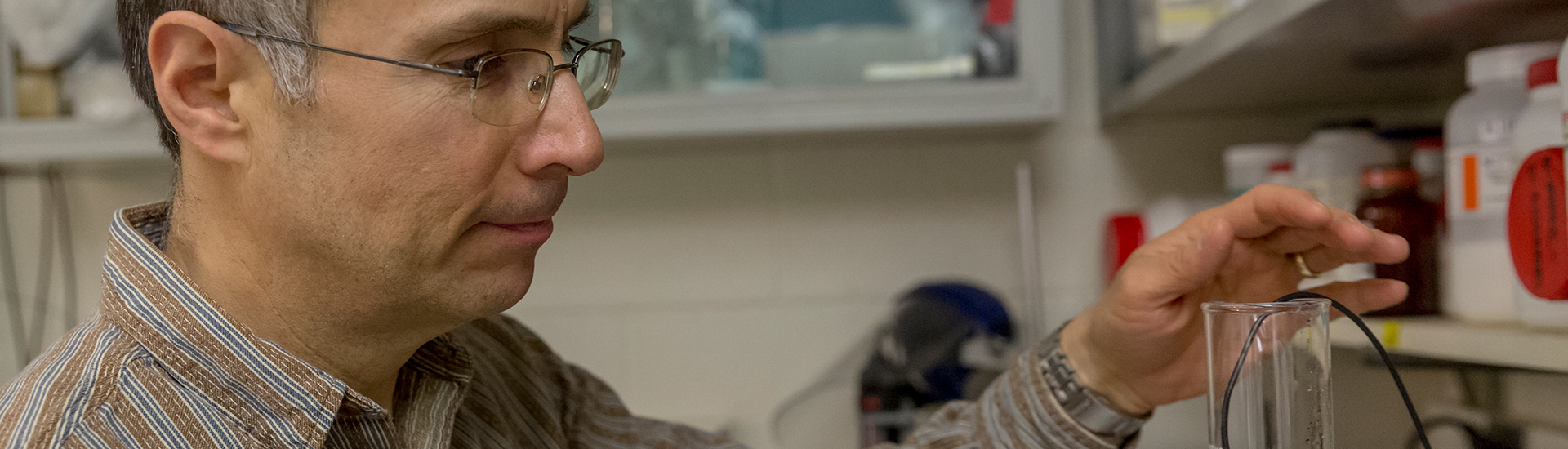
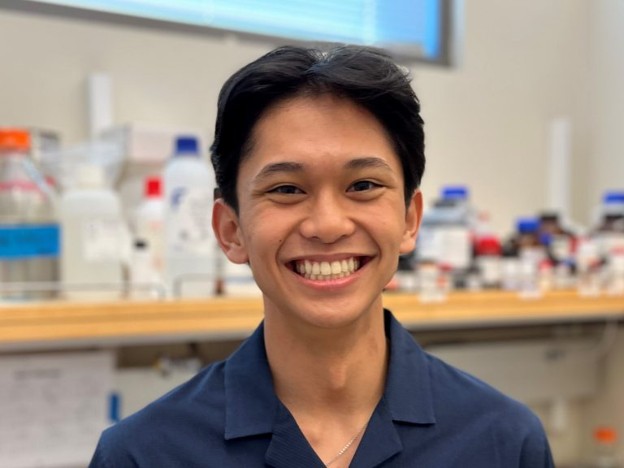
Garrett Danque earned his BS in Molecular and Cellular Biology and MS in Biology from the University of California, San Diego. As a researcher in the Sigurdson Prion Research Laboratory, he investigated mechanisms of neurodegeneration in prion disease, contributing to multiple peer-reviewed publications and developing a passion for neuropathology research. His research experiences inspired him to pursue a career as a physician-scientist dedicated to advancing the understanding and treatment of neurodegenerative diseases. Outside the laboratory, Garrett worked in a hematology-oncology and bone marrow transplant clinic and volunteered with the UCSD Eyemobile for Children, experiences that reinforced his commitment to integrating scientific discovery with compassionate patient care. He aspires to become an academic neuropathologist leading an independent research program focused on neurodegenerative disease.BS, Molecular and Cellular Biology with Minor in Global Health, The University of California, San Diego, 2023
MS, Biology, The University of California, San Diego, 2024
Medical Specialty(s) of Interest: Internal Medicine/Infectious Disease, Dermatology, Aerospace Medicine, and Women’s Health
Mentor:
Publications:
Education:
BS – Microbiology, Montana State University, 2025
BS – Cell Biology & Neuroscience, Montana State University, 2025
Honors Baccalaureate, Montana State University, 2025
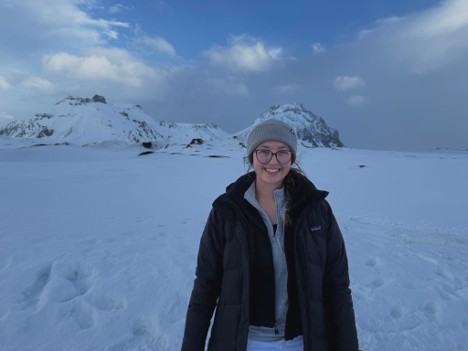
Amanda was born and raised in Montana with her little sister. Growing up in Montana shaped her love for family, community, and caring for others. She has always been drawn to science and the natural world, and her interest in becoming a physician-scientist deepened while pursuing her undergraduate degrees at Montana State University.
During undergrad, Amanda became involved in space microbiology research studying bacterial-fungal interactions in multidomain biofilms using microbial isolates relevant to spacecraft water systems. This work sparked her interest in how microorganisms form communities, adapt to extreme environments, and influence human health. Alongside her research, Amanda expanded access to undergraduate research as an Undergraduate Research Ambassador and founder/chair of the Undergraduate Research Council, where she helped students find research opportunities and strengthened campus research programming.
Over the last year at UC Davis in the Savage-Bays lab, Amanda has continued to pursue her interest in infectious disease and host-microbe interactions. Her current research focused on fungal pathogenesis, mucosal immunity, and how disruption of the gut environment can alter host defenses against Candida albicans. Through this work, she hopes to better understand how microbial communities influence infection risk and immune responses.
Amanda’s long-term goal is to become a physician-scientist who bridges microbiology, immunology, and clinical medicine to improve patient care, especially for underserved communities. Outside of medicine and research, Amanda is passionate about advocacy and leadership. She loves to get outside hiking, camping, and fishing. She also loves to travel and spend time with family and friends.
Medical Specialty(s) of Interest: Anesthesiology, Neurology
Mentor:
Publications:
Education:
BS – Biochemistry with Honors Designation, The University of New Mexico, 2026
Minors – Health, Medicine, & Human Values, and Music, The University of New Mexico, 2026
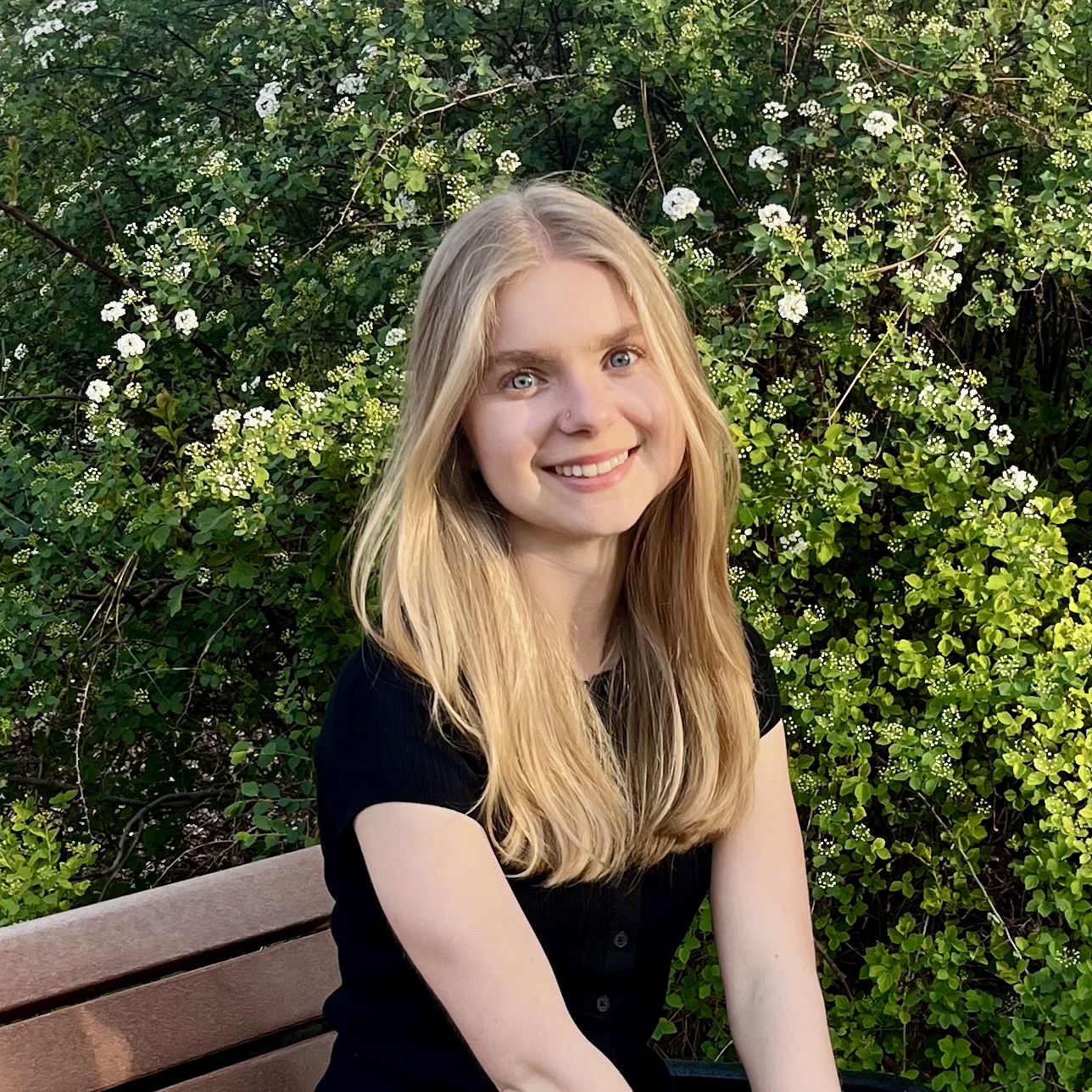
Clara joined The University of New Mexico as a Combined BA/MD student in 2022, a program dedicated to addressing the physician shortage in New Mexico. During her time at UNM she joined a lab in the Department of Neurosciences working with Dr. Erin Milligan exploring the brain effects of mild prenatal alcohol exposure on susceptibility to develop anxiety-like behaviors in adolescence and adulthood. Through the Undergraduate Pipeline Network summer internship, she continued in the same lab investigating the therapeutic potential of a clinical-trial approved drug, dexpramipexole, for the off-label treatment of peripheral neuropathy. Outside of research, Clara volunteers for Girls On The Run, a non-profit organization dedicated to empowering girls through movement, as well as mentoring young musicians in local schools.
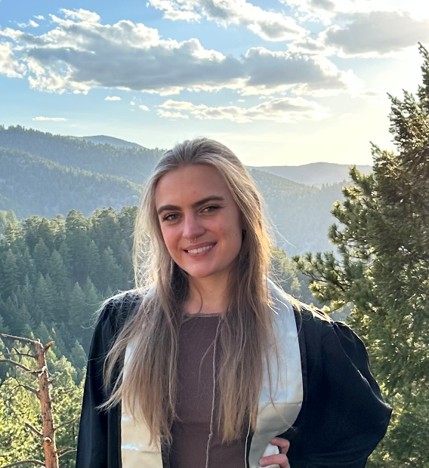
Medical Specialty(s) of Interest: Geriatrics or Behavioral Neurology
Mentor:
Publications:
Education:
BA – Psychology, Summa Cum Laude Honors, University of Colorado at Boulder, 2023
BA – Neuroscience, University of Colorado at Boulder, 2023
Cassie was born and raised in Southern Colorado and has always been fascinated by science. Her interest in medicine began when she worked as a nursing assistant in long-term care facilities throughout high school and college (2016-2023). While studying at university, she sought research opportunities focused on neurodegenerative diseases and aging. At CU Boulder, she worked in Dr. Angela Bryan’s lab studying the benefits, effects, and risks of cannabis use in older adults. With Dr. Bryan’s mentorship, Cassie completed an honors thesis studying the predictive power of plasma neurofilament light (NflL, a marker of neuronal injury) on cognitive decline in healthy older adults. She also completed summer research internships studying the effect of ERK-2 inhibitors on tauopathy in cultured dopaminergic neurons mimicking Alzheimer’s disease (CU Anschutz, 2021 with Dr. Curt Freed) and the effect of knocking-out RCC1L on mitochondrial morphology in a mouse model of Parkinson’s disease (UW Madison, 2022 with Dr. Corrina Burger). After receiving her undergraduate degree, she completed a post-baccalaureate training program at the National Institutes of Health’s National Institute on Aging in Baltimore, MD, where she studied dementia proteomics under the guidance of Dr. Keenan Walker (2023-2026). Returning to the Southwest, Cassie is eager to continue growing her skills in both patient care and scientific investigation as a physician-scientist in training at UNM.
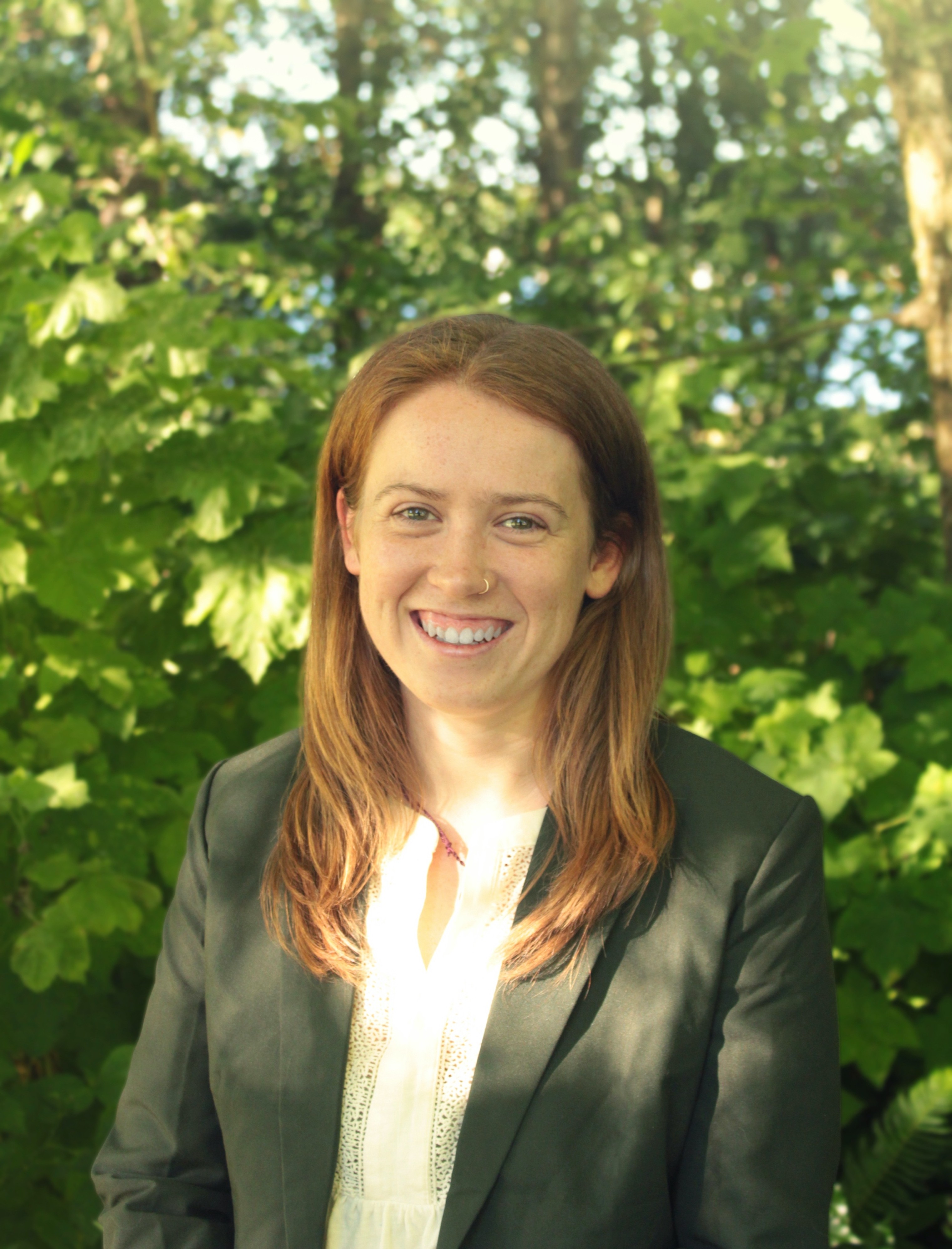
Medical Specialty(s) of Interest:
Neurology, Infectious Disease
Mentor:
Publications:
https://www.ncbi.nlm.nih.gov/myncbi/aubry.matter.1/bibliography/public/
Education:
B.S. Biochemistry, Minor Global Health, Interdisciplinary Honors- University of Washington
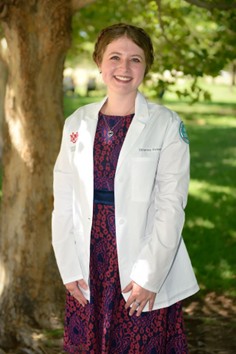
Medical Specialty(s) of Interest: Pulmonary and Critical Care
Mentor:
Publications:
Education:
BS, Biology, Duke University
Orianna attended Duke University in NC where she pursued a major in Biology, minors in Global Health and Chemistry, and was a graduate of the Genetics and Genomics FOCUS program. During her undergraduate studies, she joined the Nyunt Malaria Lab under Drs. Myaing Nyunt and Christopher Plowe, a part of Duke’s Global Health Institute, where she discovered her passion for public health and clinical research through the lab’s research on antimalarial resistance surveillance, field & clinic diagnostic tools, and malaria vectors. Later, Orianna joined the E. coli Lab under Dr. Joshua Thaden, within the Department of Medicine: Department of Infectious Diseases, where she focused on the mechanisms behind bacterial evasion of the complement system, their genetic components, and building computer coding/analysis skills. She later led a project centered on building a high throughput method for analyzing serum resistance and used this to investigate the impact serum resistance within the E. coli population of NC has on patient outcomes after hospitalization. Additionally, during her time within the Infectious Disease Department, she continued her love of public health and medicine, by volunteering within the DiRTE Lab under Bobby Warren MPS, where she was able to assist with hospital surveillance of hospital based infections, research on the effectiveness of cleaning supplies, methods, and devices, as well as participate within rounds with the lab members gaining more information on their original infections. After graduating, Orianna moved to NY and joined the Kidney Cancer Lab under Dr. Bradley Webster, at the Roswell Comprehensive Cancer Center, where she worked on mechanisms behind the growth rates of different types of kidney cancers, the pathways involved in the surfactant production of clear cell kidney cancer and how that changes gene expression, and the potential of of some fruit based supplements and their compounds to be used as treatments to slow/stop the growth rate of some kidney cancers. While she is in the didactic portion of her medical school journey, Orianna plans to continue to pursue her interests through finding and participating in research projects, joining advocacy groups, and exploring new interests within the health fields.
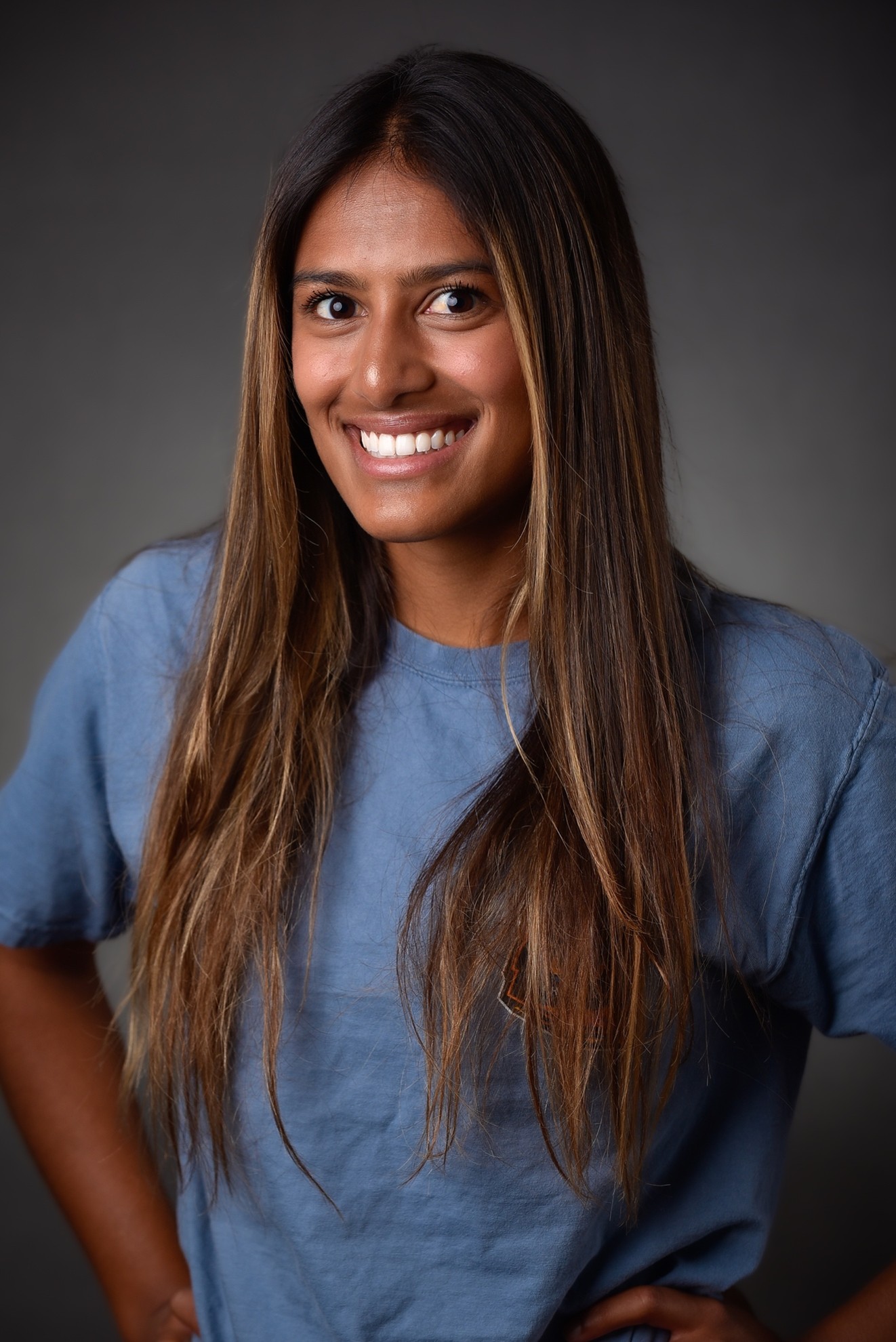
Medical Specialty(s) of Interest: Hematology/Oncology
Mentor:
Publications:
Education:
BA- Health, Medicine, and Human Values; Minor – Chemistry and Business Administration; Distinction in Honors
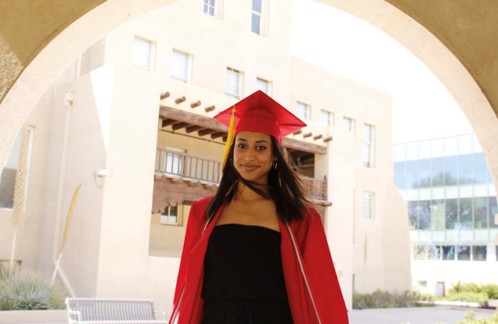
Medical Specialty(s) of Interest: Pediatrics, Biochemistry and Microbiology
Mentor: Dr Meilian Liu
Publications:
Education:
B.S., Biology with Honors, University of New Mexico, 2023

Medical Specialty(s) of Interest: Dermatology
Mentor: Avinash Sahu, PhD
Publications:
Education:
BA - Health, Medicine, and Human Values, The University of New Mexico
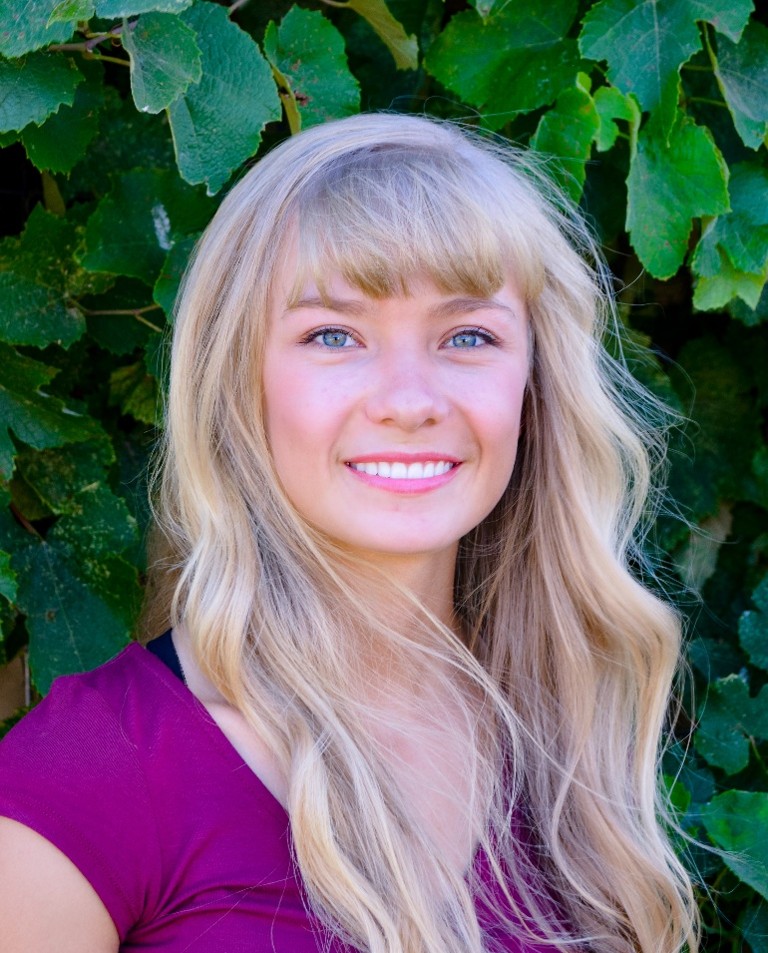
Medical Specialty(s) of Interest: Neurology/Oncology
Mentor: Tou Yia Vue, PhD
Publications:
Education:
University of New Mexico – Albuquerque, NM
Doctor of Medicine (MD), in progress
• Interprofessional Education HonorsDoctor of Philosophy in Biomedical Sciences (Neurosciences), in progress
Bachelor of Science in Biology (Minors: Chemistry; Health, Medicine, and Human Values; Honors Interdisciplinary Liberal Arts), with thesis in Neuropharmacology, summa cum laude
Danika Fletcher completed her undergraduate training in biology at the University of New Mexico as a member of the Combined BA/MD Degree Program. She conducted an honors thesis under the mentorship of Dr. Daniel D. Savage examining the interaction of sigma1 receptors and histamine H3 receptors in the context of fetal alcohol spectrum disorders. During medical school, she worked on a study of interventricular hemorrhage in the lab of Dr. Andrew Carlson and met a survivor of glioblastoma—an experience that inspired her commitment to a career as a physician-scientist.
She is now pursuing her PhD research in the laboratory of Dr. Tou Yia Vue, where she employs a translational mouse model of glioblastoma to investigate therapeutic resistance, mechanisms underlying tumor development, and tumor-associated epilepsy. Beyond her research, Danika leads the BA/MD research initiative for undergraduate students, pursues clinical research, and volunteers at St. Jude Children’s Research Hospital.
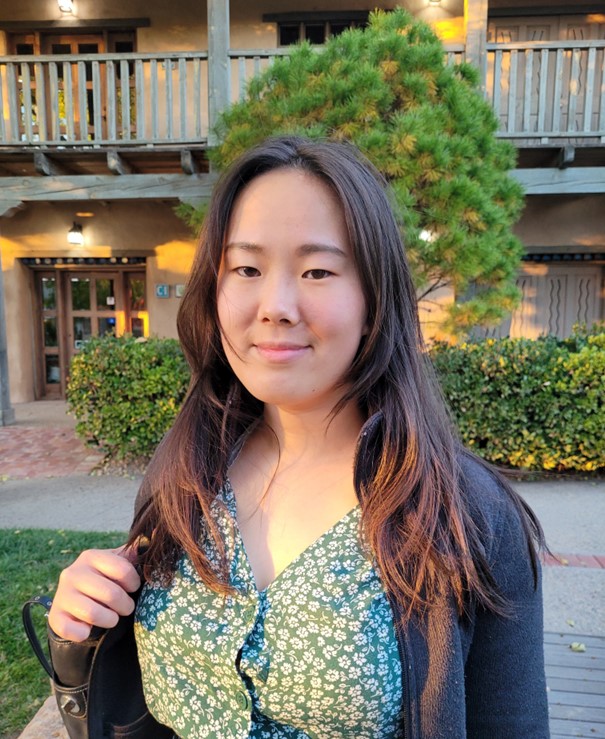
Medical Specialty(s) of Interest: Psychiatry
Mentor: Julia Stephen, PhD
Publications:
Education:
BS - Psychology, The University of New Mexico
BA - Chemistry, The University of New Mexico
HMHV Minor, The University of New Mexico
Interest: Translational neuroscience, focusing on preventative health and therapeutic discoveries that maximize the quality of life sans financial burden or social obstacles for the marginalized populations in medicine. Especially passionate about working in immigrant/refugee populations and women’s healthcare (Refugee & Immigrant Wellbeing Project 2019-2022, Sunny Smiles Initiative 2021-now). Currently working with children and adolescents at Mind Research Network using MEG to understand neurotypical / neurodivergent development, and potential benefits of music training on cerebellar & cognitive deficits in children with FASD.
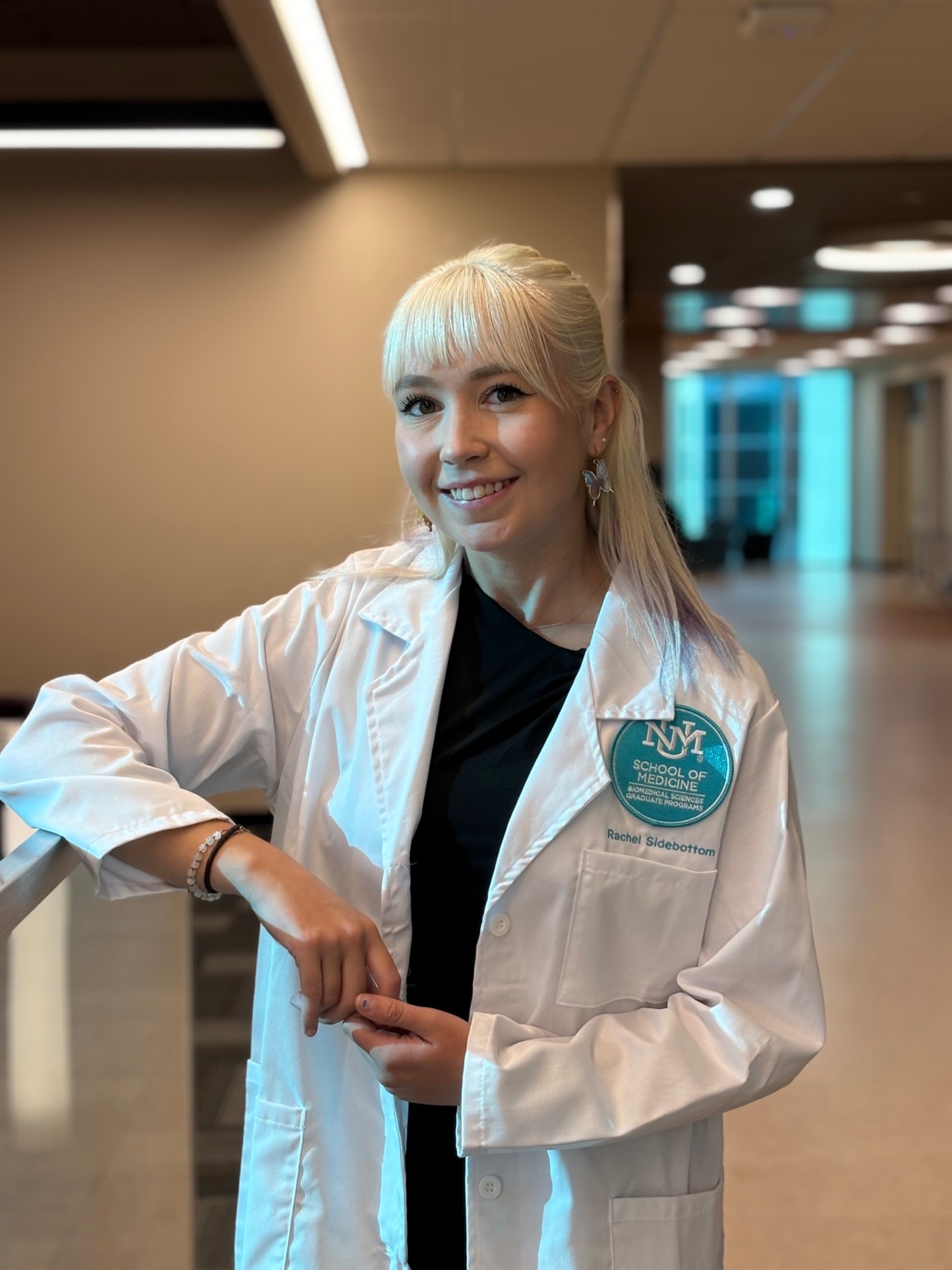
Medical Specialty(s) of Interest: Pediatric Surgery
Mentor: Amer El Ghali
Publications:
Peer Reviewed Publications:
Conference Proceedings Papers and Abstracts:
Education:
Occidental College, Los Angeles, CA 05/2020
Bachelor of Arts in Biology with Cellular and Molecular Biology Emphasis
- Honors in Biology
University of Otago, Dunedin, Otago, New Zealand 06/2018 - 11/2018
- Study abroad program
Santa Fe Preparatory School, Santa Fe, NM 05/2016
ets.
Medical Specialty(s) of Interest: Neonatology
Mentor: Jonathan Brigman, PhD
Publications:
Education:
BS, Biology (minor Statistics), University of New Mexico
BS, Psychology (minor Chemistry), University of New Mexico
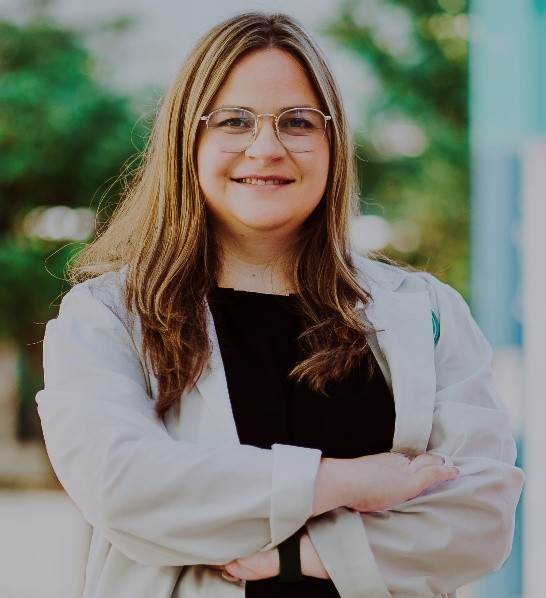
Brooke Hafer completed her undergraduate training in Biology at the University of New Mexico as a member of the Combined BA/MD. She conducted an honors thesis under the mentorship of Dr. Cristina Takacs-Vesbach where she used 16S rRNA sequencing to examine differences in soil bacterial communities across Arctic and Antarctic latitudes. During medical school, she joined the laboratory of Dr. Jessie Maxwell, analyzing behavioral outcomes in rodent models of prenatal alcohol exposure—an experience that inspired her commitment to a career as a physician-scientist.
She is now pursuing her PhD research in the laboratory of Dr. Jonathan Brigman, where she employs translational touchscreen testing and dual-region, awake-behaving in vivo electrophysiology to investigate how prenatal alcohol exposure disrupts executive function. Beyond her research, Brooke serves as the student representative for the Fetal Alcohol Spectrum Disorders Study Group (FASDSG), a national organization dedicated to advancing education, research, and awareness of FASDs. She also volunteers as a member of the Community Alliance Team for the New Mexico Grief Center, supporting access to free grief counseling for individuals and families.
Medical Specialty(s) of Interest: Neurology
Mentor: Bill Shuttleworth, PhD
Publications:
Education:
BS - Biochemistry Magna Cum Laude with Honors Designation, The University of New Mexico, 2018
BS - Biology, The University of New Mexico, 2018
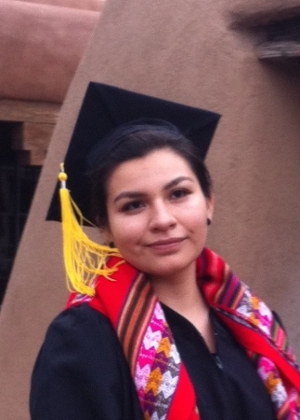
Alissa has always loved science and medicine growing up. While pursuing her undergraduate degree, Alissa passions deepened through various jobs and volunteer opportunities including Presbyterian emergency department, Kindred hospice, and UNM hospital pediatric hematology/oncology. In 2016 she became inspired by the significance of research while involved in the Salinas Lab at the University of New Mexico. During this time, she studied the diversity of the T-cell receptor repertoires in Protopterus dolloi relaying their evolutionary implications for immunology, and using this research she completed her senior honors thesis. After graduation, Alissa took a gap year joining the Garver lab to analyze the NPC1 transmembrane protein structure and functions with regards to Neimann-Pick disease. Staying close to her clinical interests, she assisted asylum seekers at the Las Cruces El Calvario pop-up clinic and worked as a resident advisor for the nonprofit, Crossroads for Women.
While in the didactic portion of medical school, Alissa pursued her studies with continued interest in advocacy, especially for learning differences given her own dyslexia. Carrying on to help with the Peer Success Network, Teaching Assistantship in the Clinical Morphology Cadaver lab, and Students Exploring Careers in Health group. Alissa is ardent in communication and supporting others as a Peer-2-Peer Mentor and Minorities in Community Medicine Mentor. For graduate school in 2022, Alissa found her home in the Shuttleworth lab, where she investigates spreading depolarization and nitric oxide in brain slice through electrophysiology.

Medical Specialty(s) of Interest:
Radiation Oncology
Internal Medicine (Pulmonology/Critical Care)
Mentor:
David L. Perkins, MD, PhD — Finn–Perkins Lab, Dept. of Internal Medicine, Center for Personalized Health, University of New Mexico School of Medicine
Publications:
Education:
University of New Mexico – Albuquerque, NM
Doctor of Medicine (MD), in progress
• Interprofessional Education HonorsDoctor of Philosophy in Engineering (Biomedical Engineering / Bioinformatics), in progress
Master of Science in Statistics (with Distinction), Aug 2022
• Field: Statistical Analysis & Machine Learning in Medicine & Healthcare
• Thesis: Machine Learning Model Comparison and ARMA Simulation of Exhaled Breath Signals Classifying COVID-19 Patients
• Supervisors: Justin Baca, MD, PhD; James Degnan, PhD; Mohammed Motamed, PhD
• Graduate Minor: MathematicsBachelor of Science in Mathematics (Minor: Psychology), Jul 2019, cum Laude
Bachelor of Science in Biology (Minor: Mathematics), May 2013, cum Laude
Bachelor of Arts in Biochemistry (Minor: Biology), May 2013, cum Laude
Honors College coursework in Health, Medicine & Human Values; Dean’s List (Fall 2010-Spring 2013; all semesters)
Stanford University – Stanford, CA
Graduate Certificate in Artificial Intelligence (expected 2026)
• Dept. of Computer Science,
• Coursework: Artificial Intelligence: Principles & Techniques; Deep Generative Models; Multi-Task & Meta Learning; Deep Reinforcement LearningAaron Segura first became interested in pursuing his MD–PhD during his undergraduate studies at the University of New Mexico (UNM), where his dual training in biology, biochemistry, and mathematics fostered an early passion for applying quantitative approaches to biomedical questions. While completing his undergraduate and master’s training, he contributed to translational research projects spanning emergency medicine, radiology, and neurosurgery, where he developed skills in clinical research and machine learning. His master’s thesis in statistics focused on modeling exhaled breath infrared spectroscopy signals to classify COVID-19 patients, which deepened his interest in precision diagnostics and AI applications in medicine. Aaron further broadened his research portfolio through positions in the Department of Emergency Medicine and collaborations in neurosurgical outcomes, leading to multiple peer-reviewed publications. Since joining the UNM School of Medicine as an MD–PhD candidate, Aaron has focused his graduate research under the mentorship of Dr. David L. Perkins on the intersection of bioinformatics, immunology, and AI. His work leverages Bulk RNA and single-cell RNA sequencing, lncRNA-RNA network modeling, and advanced machine learning frameworks such as scGPT (similar to ChatGPT) to unravel mechanisms of immune dysregulation in sarcoidosis and other complex diseases. Through this training, Aaron aims to bridge data science and clinical medicine to advance non-invasive diagnostics and AI-enabled precision therapeutics.
Mentor: Kiran Bhaskar, PhD
Publications:
https://www.ncbi.nlm.nih.gov/myncbi/jonathan.hulse.2/bibliography/public/
Education:
BS - Psychology with Minor in Chemistry and Honors Designation, The University of New Mexico, 2019
BA - Health, Medicine, and Human Values with a Concentration in Biomedical Sciences and Honors Designation, The University of New Mexico, 2019
PhD - Biomedical Sciences, University of New Mexico, 2025
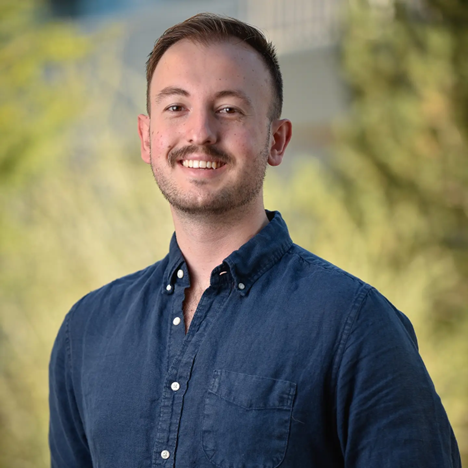
Jonathan Hulse attended the University of New Mexico as a member of the Combined BA/MD Degree program, a diversity pipeline program dedicated to training physicians to address the unique health needs of New Mexico. During his undergraduate training he joined a lab in the Center for Biomedical Engineering working with Dr. Eva Chi to develop novel biosensors and therapeutic agents for the detection and treatment of misfolded protein aggregates associated with neurodegenerative diseases including Alzheimer’s disease. This work resulted in a US Patent. His time in the Chi lab inspired him to pursue training as a physician scientist to help bridge the gap between pre-clinical therapeutic development and clinical translation of novel therapies. He completed his PhD in Biomedical Sciences in 2025 in the lab of Dr. Kiran Bhaskar developing novel immunotherapies for Alzheimer’s disease and investigating the role of neuroinflammation in Alzheimer’s disease progression. His work resulted in the development of novel anti-inflammatory vaccines to address chronic inflammatory diseases for which he received another US Patent. His work also led to the development of vaccines targeting the pathological Tau protein found in numerous types of dementia which will soon begin testing in a Phase 1 human clinical trial in 2026. At the UNM School of Medicine, Jonathan has served as a long-standing member of the Curriculum Committee, co-Chaired the Independent Student Analysis Committee for LCME re-accreditation, and served on the UNM LCME Re-Accreditation Executive Committee. He has also served as a student member of the NBME Creative Community developing OSCEs to assess Clinical Reasoning. Jonathan has led multiple projects focused on improving LGBTQ health outcomes in New Mexico including the development and implementation of new curriculum that trains physicians to meet the needs of LGBTQ patients, for which he was nationally recognized with the Junior Leadership Award by the BNGAP organization. He has also worked with local community organizations to provide health education workshops to youth experiencing homelessness in New Mexico.
Mentor: Sam McKenzie, PhD
Publications:
Education:
BS in Biology, Minor in Psychology, St. Edward’s University, 2022
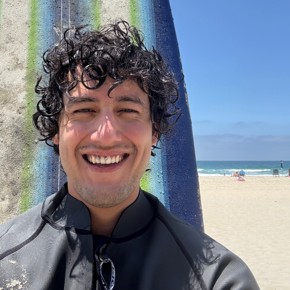
Eduardo “Lalo” Carrillo is an MD/PhD student whose research interests center on translational neuroscience, human memory, epilepsy, psychiatric illness, and neurodegenerative disease. His interest in physician-scientist training was shaped in part by growing up in a Hispanic migrant family, where mental health concerns were often met with stigma and limited access to specialized care. These experiences motivated his commitment to advancing neuroscience research and improving neurological and psychiatric care.
As an undergraduate in Dr. Andrea Holgado’s laboratory at St. Edward’s University, Lalo studied the role of UNC-33 in autophagy and neurodegeneration using Caenorhabditis elegans. After graduation, he worked as an EMT in a tertiary psychiatric care clinic, where he supported patients receiving ketamine treatment for severe and treatment-resistant conditions. This experience strengthened his interest in neuropharmacology, neuroplasticity, and clinically meaningful neuroscience research.
At the University of New Mexico, Lalo works with Dr. Sam McKenzie and Dr. Mike Kogan to study memory in patients with epilepsy undergoing intracranial monitoring. He has developed skills in MATLAB and Python and contributed to cognitive-testing software synchronized with neural recordings. His long-term goal is to become an academic physician-scientist in psychiatry or neurology who develops diagnostic and therapeutic approaches for epilepsy, psychiatric disorders, and neurodegenerative disease.
Mailing Address
School of Medicine Research Education Office
1 University of New Mexico
Albuquerque, NM 87131
Phone: (505) 272-1887
Fax: (505) 272-8738
Email: SOMREO@salud.unm.edu
Physical Location:
UNM Health Sciences Center (North Campus)
Reginald Heber Fitz Hall (Building 211)
Room B61